

Strategies to Extend Part Lifespan in Machining
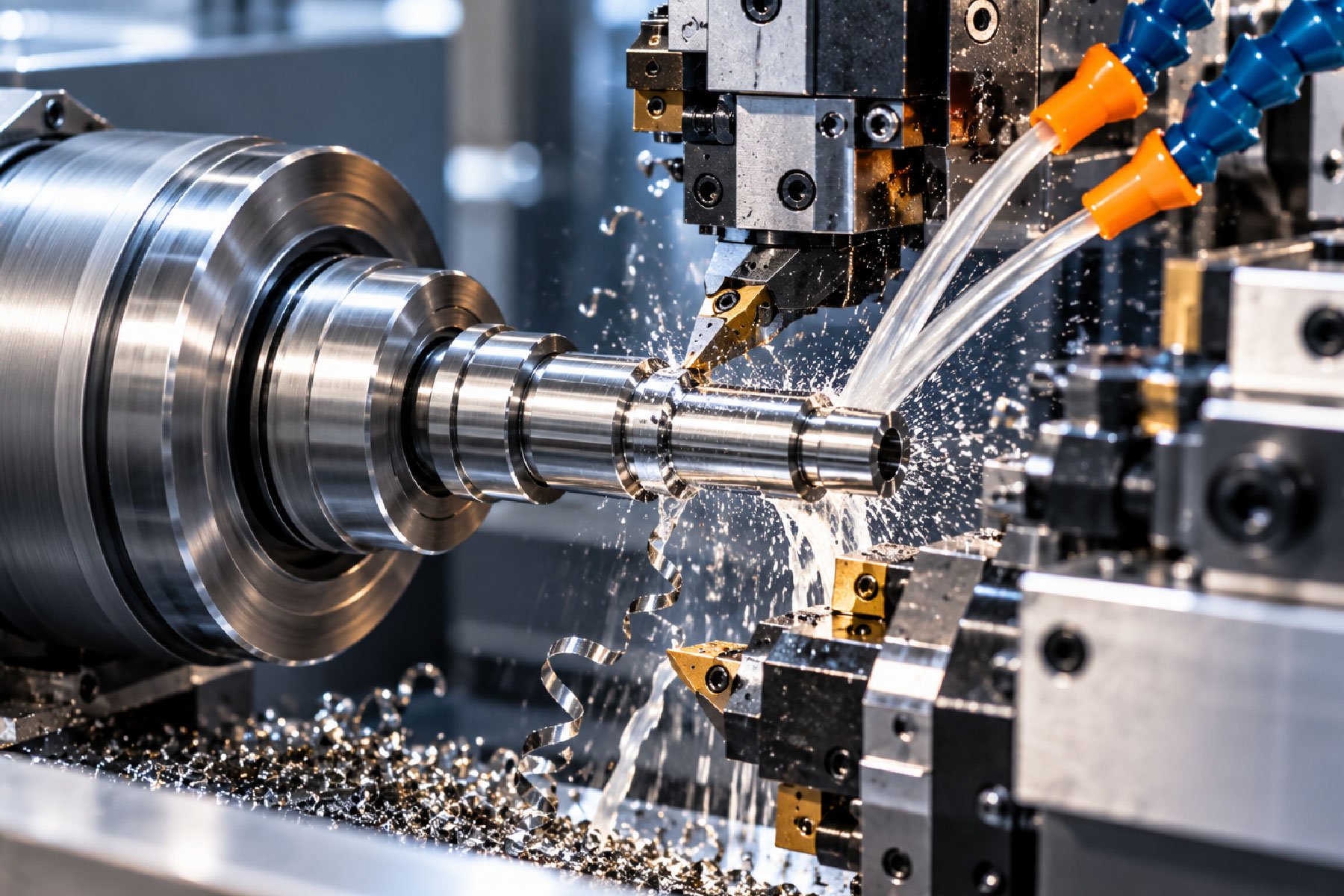
❝Discover strategies to extend part lifespan in machining and explore key processes that enhance production quality.
Extending component lifespan in machining processes is critical for reducing production costs and improving the quality of the final product. The wear resistance of materials used in industrial manufacturing is directly related to proper machining techniques and the selection of appropriate cutting tools. Implementing correct strategies minimizes downtime on production lines while maximizing efficiency.
Material Selection and Machinability Compatibility
The first step in increasing component lifespan is selecting the most suitable material for production. The mechanical properties, heat treatment status, and behavior of the material during chip removal must be carefully examined. Choosing the wrong material leads to premature wear of cutting tools and a decline in surface quality on the machined part.
Materials with a high machinability coefficient both extend tool life and optimize energy consumption. Therefore, compatibility between the material and the manufacturing method must be considered starting from the design phase.
Cutting Tool Selection and Cutting Parameters
The quality and geometric characteristics of cutting tools are among the factors that directly affect component lifespan. Tools with coatings appropriate for the hardness and structure of the material being processed should be selected. Incorrect parameters such as cutting speed, feed rate, and depth of cut can cause thermal shocks and excessive wear on the tool.
Determining optimum cutting parameters balances tool costs while preventing unwanted stresses on the workpiece. Machine stability and the clamping force of the workpiece also play major roles in this process.
Cooling and Lubrication Strategies
The heat generated during machining negatively affects both the lifespan of the cutting tool and the dimensional stability of the machined part. The use of effective cooling and lubrication fluids keeps temperatures under control in the cutting zone and facilitates chip evacuation.
- Adjusting the correct fluid pressure and flow rate
- Using cooling lines focused precisely on the cutting zone
- Selecting eco-friendly fluid chemicals appropriate for the workpiece
These practices prevent thermal deformations, protecting the mechanical integrity of the component.
Surface Quality and Burr Control
Roughness and burrs left on the component surface after machining create weak points that reduce the material's fatigue strength. Achieving smooth surfaces directly increases the working lifespan of the part. Accordingly, due attention must be paid to finishing operations, and cutting edge wear must be closely monitored.
Regular maintenance and measurement checks allow potential deviations in surface quality to be identified early.
Operator Expertise and Process Monitoring
Even when using the most advanced machines and cutting tools, the human factor in process management remains vital. Operators being well-versed in machining dynamics and detecting abnormal conditions such as vibration and noise early on is crucial for preserving component lifespan.
Regular monitoring of processes enables data-driven improvements and helps prevent potential errors.