

Methods to Prevent Tool Wear in CNC Sliding Head Lathes
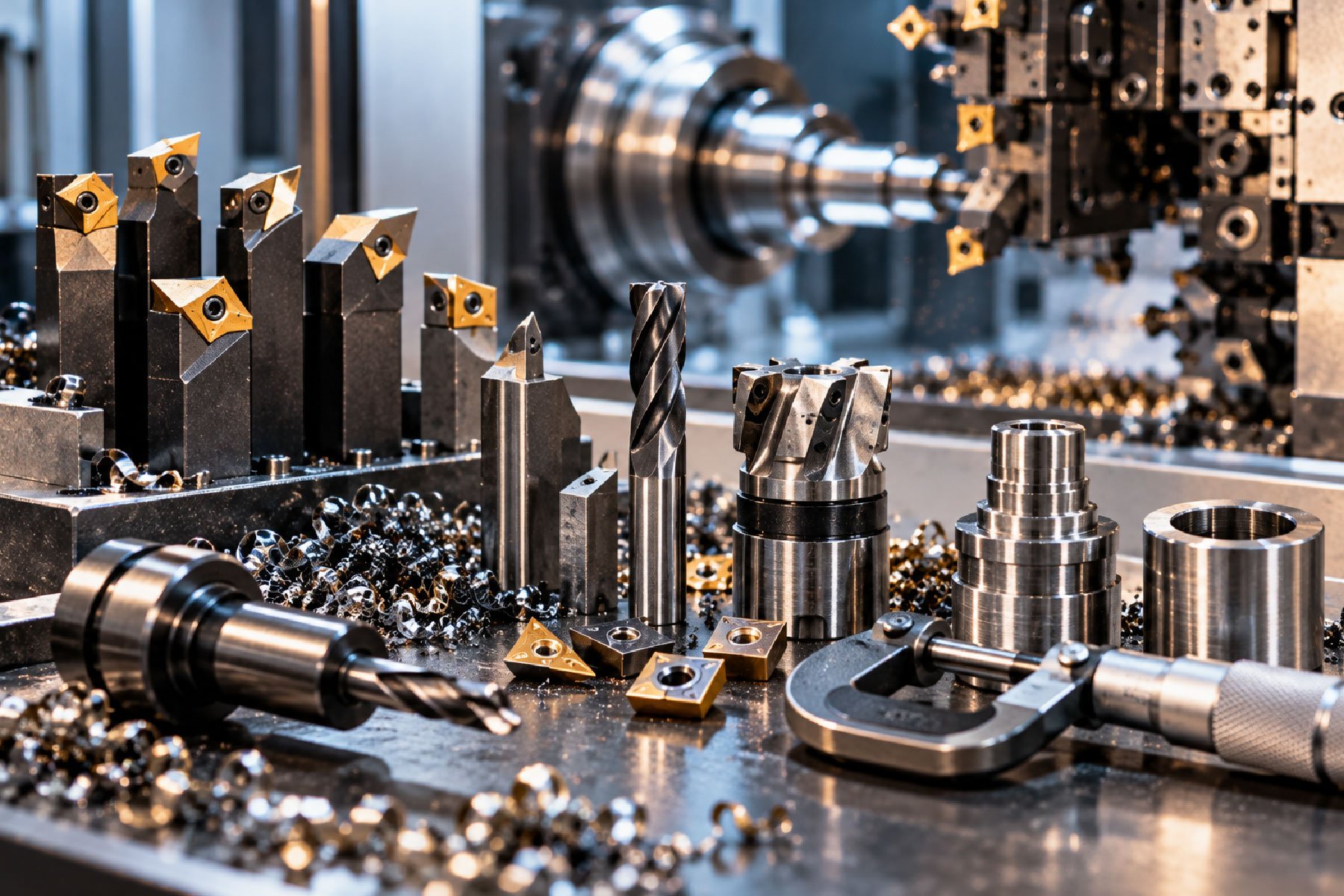
❝Explore factors affecting tool wear in CNC sliding head lathes and key strategies to maintain part quality during machining.
Offering high precision and mass production advantages in machining processes, CNC sliding head lathes are widely used in critical sectors such as automotive, defense industry, and medical applications. The condition of cutting tools is among the primary factors directly affecting the performance of these machines and the desired surface quality of the workpiece. Tool wear, which naturally occurs over time during the production process, can lead to deviations in machining tolerances, a decrease in surface quality, and ultimately increased costs. Therefore, controlling and preventing tool wear through correct methods is of great importance for efficient production management.
Causes of Tool Wear and Effects on Production
Wear in cutting tools inevitably occurs over time as a result of mechanical friction, thermal shocks, and chemical interactions. Especially in machining operations performed at high speeds, friction between the cutting insert and the workpiece generates high temperatures. This situation shortens tool life and can adversely affect the geometric accuracy of the processed part.
Continuing production with worn tools increases the load on the machine spindle and causes out-of-tolerance dimensions in workpieces. This both increases raw material waste and lays the groundwork for unplanned machine downtime. Early recognition of wear mechanisms is necessary for processes to proceed uninterrupted.
Selecting the Right Cutting Tool and Material
The most fundamental step in preventing tool wear is selecting a cutting tool suitable for the properties of the material being processed. Since each material has different machinability coefficients and hardness levels, incorrect tool selection accelerates the wear process. Cutting inserts with appropriate coating technologies reduce the friction coefficient, increase thermal resistance, and directly extend tool life.
- Tool geometry appropriate for the chemical and physical structure of the processed material should be preferred.
- Coating types resistant to high temperatures should be evaluated.
- Recommended cutting speeds specified in supplier catalogs should be adhered to.
Optimization of Cutting Parameters
Cutting parameters such as cutting speed, feed rate, and depth of cut directly determine the rate of tool wear. In order to obtain maximum efficiency from machines, these parameters must be adjusted in a balanced manner. Excessively high feed rates lead to mechanical breakages, while very high cutting speeds cause excessive heat accumulation and thermal wear.
Determining the most appropriate spindle speed and feed values according to the structure of the material being used ensures that cutting inserts operate more stably and for a longer duration.
Cooling Fluid Usage and Efficiency
The use of cooling fluid is of vital importance to remove the heat released in the cutting zone during machining and to reduce friction. Cooling fluid supplied at the correct flow rate and appropriate pressure prevents heat accumulation and protects the cutting insert from thermal shock.
Regular monitoring of cooling fluid concentration supports the protection of machine components and the stabilization of cutting tool performance.
Regular Maintenance and Measurement Controls
Planned maintenance activities and intermediate measurement checks should not be neglected to ensure the continuity of precision in CNC sliding head lathes. Measuring parts at regular intervals during the processing procedure ensures early detection of tool wear. Replacing tools before critical dimensional shifts occur minimizes scrap rates and preserves operational efficiency.